

One of the most pernicious aspects of Assembly Speaker Sheldon Silver’s proposal to hike the minimum wage is his bid to index the future minimum wage to inflation “to ensure that the real value of New York’s minimum wage does not erode as the cost of living rises.”
Beginning in 2014, the state would automatically hike the new $8.50 minimum wage “each year … according to the Consumer Price Index.”
It’s noble to want workers’ pay to keep up with inflation. But this provision would kill  employers’ flexibility just when they need it most: during a period of high inflation that cuts into their profit margins.
Think about it: when inflation goes up, businesses must pay more for the raw materials that go into the stuff that they sell.
But oftentimes, they cannot pass higher costs to consumers. Consumers, also suffering an erosion of their income because of the same inflation, would respond to price hikes by cutting their purchases.
To avoid this, many companies accept the lower profit margins for as long as they can do so.
But it becomes more difficult for employers to pursue this strategy if they must confront rising labor costs at the same time. Under Silver’s proposal, retailers and other particularly inflation-sensitive business owners would face just that.
Under a five percent inflation scenario over two years, for example, the minimum wage would go from $8.50 to $9.37. Hourly workers who earned more than the minimum would have to get similar raises, too, so as not to harm morale.
What would companies do? Because they couldn’t cut labor costs — or at least keep costs steady — per hour, they would have to cut workers.
That’s exactly what you don’t want in an environment of high inflation, which often comes along with high unemployment, anyway.
Even worse, only New York employers would face this situation. One remedy would be for them to move out of state.
You may also like

New Poll Shows New Yorkers Want Cheaper Energy — RGGI’s Price Record Shows They Aren’t Getting It
Editor's note: Roger Caiazza is an adjunct fellow at the Empire Center. He has a long and deep private industry background in environmental regulatory analysis and compliance. His frequently updated personal blog on New York Read More

New York’s Health Premiums Stayed at the Top in 2025
New Yorkers and their employers paid the highest health premiums in the lower 48 states in 2025, and their costs moved further above the U.S. average, according to recently released federal data.
Read More

NY’s Medicaid Fraud Watchdog Shows Declining Performance
Enforcement by the New York's Office of Medicaid Inspector General has dropped in recent years across a range of benchmarks – a sign that the state's anti-fraud efforts have slackened even as its Medicaid spending soared. Read More
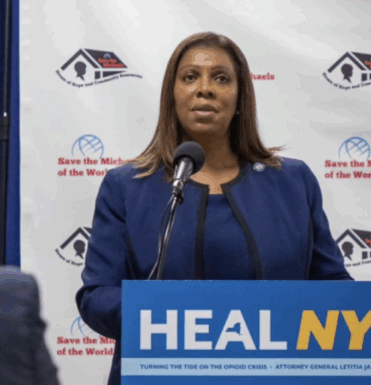
The Attorney General’s MFCU SNAFU
Attorney General Letitia James' latest fight with the Trump administration focuses on New York's Medicaid Fraud Control Unit, a federally funded agency housed in James' office.
On T Read More
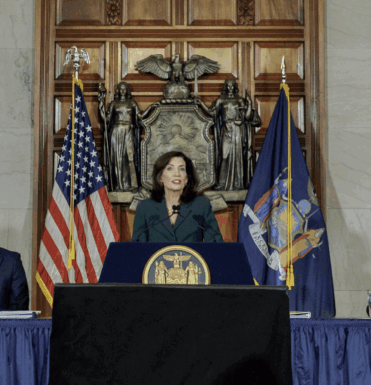
Healthcare Revelations in the Enacted Budget Financial Plan
The state financial plan published on June 10 disclosed key information about healthcare revenue and spending that lawmakers had not made public when approving the annual budget two weeks before.
Read More
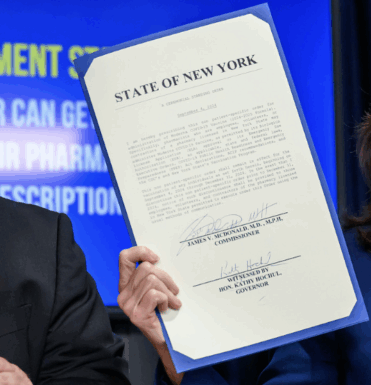
Federal Suit Traces Medicaid Fraud to the Top of NYS Government
The Trump administration's latest salvo against Medicaid fraud takes aim at a different kind of target – two high-ranking New York officials along with a major state contractor.
A Read More

It Is Time to Rethink the Regional Greenhouse Gas Initiative
Before budget negotiations, Gov. Hochul warned that unless New York changes its climate plans, New Yorkers could face a $2.26-per-gallon increase in gasoline prices. The reason is the so-called “cap-and-invest” scheme, under which energy companies wou Read More

Healthcare Highlights in the New State Budget
Governor Hochul's focus on affordability seems to have skipped over the healthcare portions of the new state budget.
The deal finalized May 27 Read More