

In remarks accompanying his annual city budget report, Comptroller (and mayoral candidate) Bill Thompson said that the city’s tax revenues have “evaporated.”
After a 37 percent decline in personal-income tax revenues over two years, these revenues won’t return to 2008 levels for five years, the comptroller’s staff projects.
Has NYC started to cut spending in line with diminished expectations? If you’re in a hurry, the answer is no, but some details are below.
In January 2008, before Bear Stearns, Lehman Brothers, and AIG collapsed — all very shockingly, of course! — New York City expected to reap $37.3 billion in tax revenue for fiscal year 2010 (the current year, which started four weeks ago), including $1.2 billion from a property-tax hike that Mayor Bloomberg had already proposed.
Today, New York expects to take in $35.3 billion for the year. But this figure includes $879 million from a new sales-tax hike.
Without the higher sales tax, New York would have a shortfall of nearly 7.8 percent between reality and previous expectations.
City spending, however, is down only 4.3 percent from previous expectations, according to calculations I’ve made from the data in Thompson’s report.
And Mayor Bloomberg has made scant progress with the structural problems that drive the city’s deficits, which range between 11 and 12 percent of city-funded spending over the next three years.
In fact, some of the budget cuts the mayor has made to make room for higher spending elsewhere — including cuts to the police force — may be unsustainable.
Over the next three years, the budget’s structural problem will worsen. City-funded tax revenues (as opposed to federal and state grants) should go up by 15.3 percent.
But spending will go up 20.5 percent, driven by pensions (up 14.5 percent), healthcare (up 17.7 percent) and debt service (up 21.6 percent).
As Thompson notes:
[S]ince [fiscal year] 1987, when measured as a percent of revenues, the ensuing fiscal year’s budget gap at the time of budget adoption has been higher than the projected gap for [next year] in only two instances: at the FY 2003 Adopted Budget and the FY 2006 Adopted Budget. In 2003, the gap was closed with an aggressive program … which included substantial tax increases and significant spending reductions. In FY 2006, tax revenues resurged unexpectedly to help eliminate the gap. Since this resurgence was a byproduct of the ‘bubble economy’ …, the Comptroller believes that a similar performance is unlikely to be repeated in the near future.
But a short-term “resurgence” is a risk.
Thompson expects a personal-income tax drop of 12.1 percent for this year, for example. But the year just started, and Wall Street firms, led by Goldman Sachs, are hiking bonuses.
As noted before, a spike in personal-income tax revenues would cause more political complacency when it comes to cutbacks in future pensions, healthcare costs, and the like.
You may also like

Hochul’s Energy Infrastructure Plan Gets the Diagnosis Right but Offers No Prescription
Editor’s note: Roger Caiazza is an adjunct fellow at the Empire Center. He has a long and deep private industry background in environmental regulatory analysis and compliance. His frequently updated personal blog on New York State environmental poli Read More
New Poll Shows New Yorkers Want Cheaper Energy — RGGI’s Price Record Shows They Aren’t Getting It
Editor's note: Roger Caiazza is an adjunct fellow at the Empire Center. He has a long and deep private industry background in environmental regulatory analysis and compliance. His frequently updated personal blog on New York Read More

New York’s Health Premiums Stayed at the Top in 2025
New Yorkers and their employers paid the highest health premiums in the lower 48 states in 2025, and their costs moved further above the U.S. average, according to recently released federal data.
Read More

NY’s Medicaid Fraud Watchdog Shows Declining Performance
Enforcement by the New York's Office of Medicaid Inspector General has dropped in recent years across a range of benchmarks – a sign that the state's anti-fraud efforts have slackened even as its Medicaid spending soared. Read More
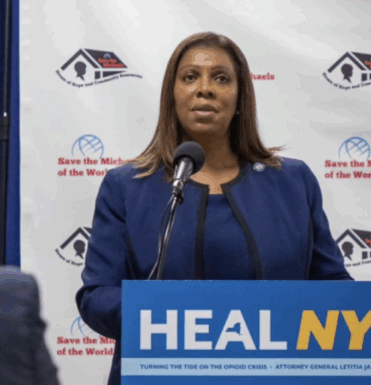
The Attorney General’s MFCU SNAFU
Attorney General Letitia James' latest fight with the Trump administration focuses on New York's Medicaid Fraud Control Unit, a federally funded agency housed in James' office.
On T Read More
Healthcare Revelations in the Enacted Budget Financial Plan
The state financial plan published on June 10 disclosed key information about healthcare revenue and spending that lawmakers had not made public when approving the annual budget two weeks before.
Read More
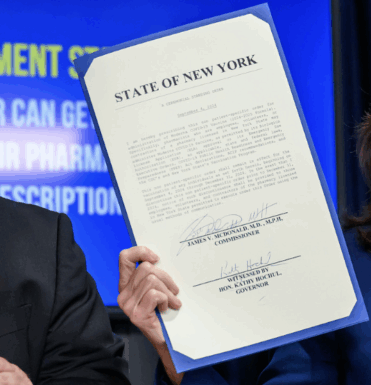
Federal Suit Traces Medicaid Fraud to the Top of NYS Government
The Trump administration's latest salvo against Medicaid fraud takes aim at a different kind of target – two high-ranking New York officials along with a major state contractor.
A Read More

It Is Time to Rethink the Regional Greenhouse Gas Initiative
Before budget negotiations, Gov. Hochul warned that unless New York changes its climate plans, New Yorkers could face a $2.26-per-gallon increase in gasoline prices. The reason is the so-called “cap-and-invest” scheme, under which energy companies wou Read More