

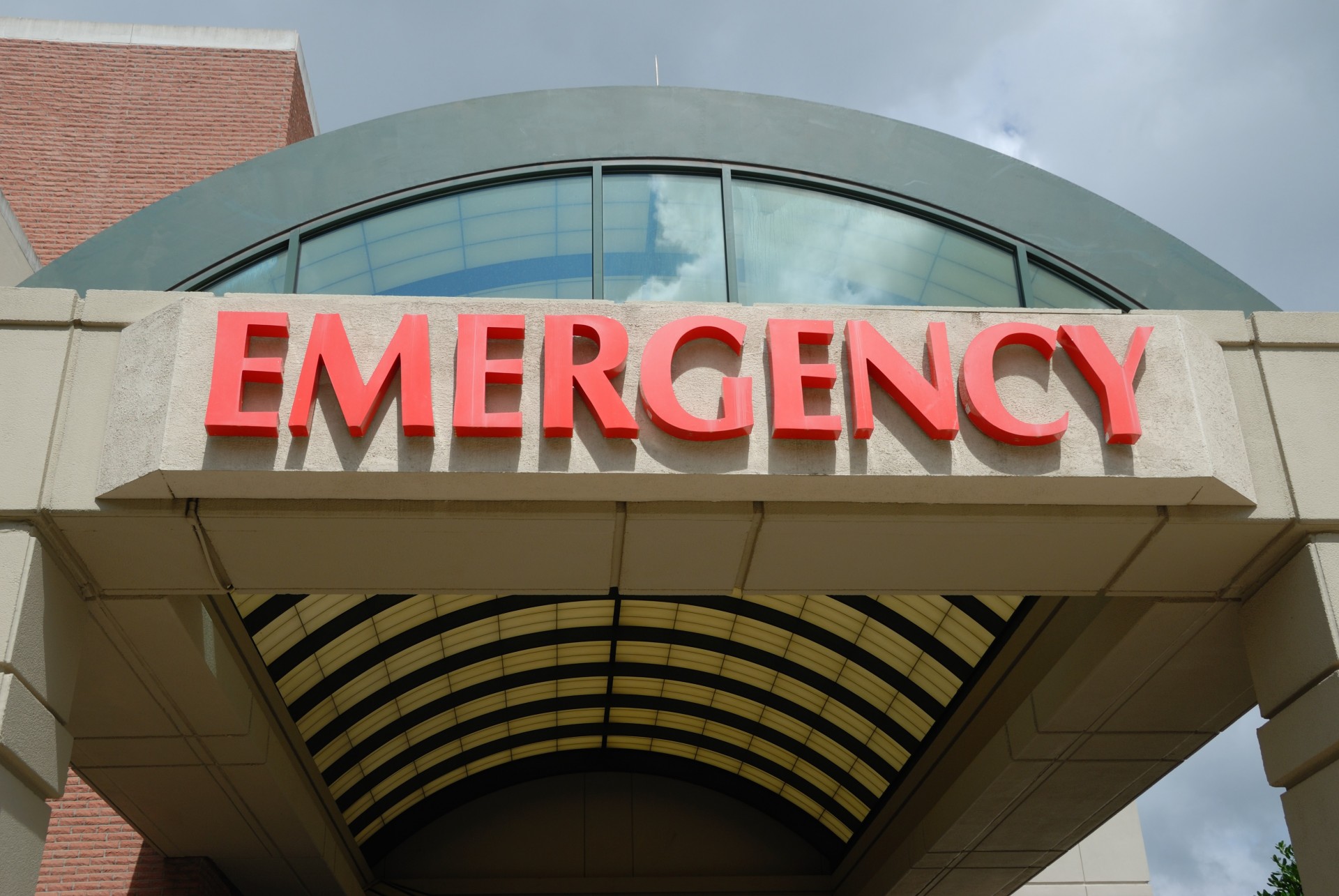
 Here’s a puzzling statistic about New York’s Medicaid health plan: Recipients enrolled in managed care plans use emergency rooms more often, not less, than those in the old-style “fee for service” program.
This flies in the face of conventional wisdom. Fee-for-service Medicaid has been faulted for failing to properly manage controllable conditions like asthma and diabetes, leaving patients to rush to the E.R. when their symptoms reached a crisis stage. Managed care was supposed to change that–and save tax dollars–by ushering patients into reliable primary care.
But the numbers in New York seem to say otherwise. For calendar year 2014, Medicaid managed care recipients used emergency rooms 49.07 times per 1,000 member-months, while the rate among the fee-for-service population was just 34.90–a 41 percent difference.
This is according to data “dashboards” created by the state Health Department to let providers, policymakers, and the public track the progress of Medicaid reform.
While E.R. usage rates vary considerably from region to region–they’re highest in the Tug Hill area of northwestern New York, and lowest on Long Island–the rate for patients enrolled in managed care plans is consistently higher.
The gap was just over 11 points in January 2011, grew as high as 20 points in January 2013, and dropped to below seven points in June of 2015 (see chart). During that period, both overall enrollment and the share of recipients in managed care were surging.

Many people in fee-for-service Medicaid are enrolled only temporarily, because joining a managed care plan is now mandatory for most recipients. Based on data from the dashboards, fee-for-service enrollment accounted for about a quarter of member-months in 2014.
Fee-for-service Medicaid also includes a disproportionate concentration of people in long-term care due to age, mental illness, or other disability. Many live in nursing homes and other institutional facilities, with ready access to medical help, and might be less likely to need emergency rooms for that reason.
The numbers for other Medicaid measures were more consistent with expectations. The primary care visit rate for managed care members, at 286.33 per 1,000 member-months, was more than double the fee-for-service rate.
And the hospitalization rate for managed care, 13.65, was 39 percent lower than the fee-for-service rate.
Since excessive emergency room use is both medically undesirable and expensive for taxpayers, the factors driving the higher rates in Medicaid managed care deserve exploration by the Health Department.
Meanwhile, does anyone reading this have a good explanation?
About the Author

You may also like

New York’s Health Premiums Stayed at the Top in 2025
New Yorkers and their employers paid the highest health premiums in the lower 48 states in 2025, and their costs moved further above the U.S. average, according to recently released federal data.
Read More

NY’s Medicaid Fraud Watchdog Shows Declining Performance
Enforcement by the New York's Office of Medicaid Inspector General has dropped in recent years across a range of benchmarks – a sign that the state's anti-fraud efforts have slackened even as its Medicaid spending soared. Read More
The Attorney General’s MFCU SNAFU
Attorney General Letitia James' latest fight with the Trump administration focuses on New York's Medicaid Fraud Control Unit, a federally funded agency housed in James' office.
On T Read More
Healthcare Revelations in the Enacted Budget Financial Plan
The state financial plan published on June 10 disclosed key information about healthcare revenue and spending that lawmakers had not made public when approving the annual budget two weeks before.
Read More
Federal Suit Traces Medicaid Fraud to the Top of NYS Government
The Trump administration's latest salvo against Medicaid fraud takes aim at a different kind of target – two high-ranking New York officials along with a major state contractor.
A Read More

Healthcare Highlights in the New State Budget
Governor Hochul's focus on affordability seems to have skipped over the healthcare portions of the new state budget.
The deal finalized May 27 Read More

Lawmakers Consider Hiking Fees for Filling Prescriptions
UPDATE: The proposal discussed below passed the Assembly Friday evening by an unofficial vote of 133-0. Having previously been approved by the Senate, the bill will head to Governor Hochul's desk for her signature or ve Read More
Budget Deal Reportedly Earmarks $100M for 1199 and Extends MCO Tax
As Governor Hochul and legislative leaders rush to finalize the overdue state budget, outlines of some healthcare-related deals have begun to emerge from the closed-door negotiations.
Read More