
Today marks the sixth anniversary of a fateful moment in New York’s coronavirus pandemic: the Cuomo administration’s order sending Covid-infected patients into nursing homes.
Of the thousands of seat-of-the-moment judgment calls made by the Cuomo administration during that harrowing time – for better and for worse – the March 25 order, more than any other, has come to symbolize the flaws in the state’s flawed pandemic response.
Six years later, it also symbolizes the state’s failure – and the nation’s failure – to properly reckon with what went so badly wrong.
“No resident shall be denied re-admission or admission to the [nursing home] solely based on a confirmed or suspected diagnosis of COVID-19,” said a Health Department directive issued on March 25, 2020 – with no advanced notice to the affected facilities.
At the time, hospitals in New York City were struggling to keep up with a rising tide of critically ill patients, and the policy was meant to open beds and avoid catastrophic overcrowding.
Yet the order ran against guidance from industry groups and federal officials, who emphasized that a nursing home should admit Covid-19 patients only if it was prepared to take special precautions to protect existing residents. New York’s March 25 guidance included no such warnings.
More than 9,000 recovering Covid-19 patients flowed into nursing homes over the next six-and-a-half weeks, a period when thousands of residents were dying. State-ordered admissions clearly were not the only driver of the pandemic in nursing homes, but they likely aggravated what was already a grim situation.
Still, the March 25 order might never have blown into a major scandal had then-Governor Andrew Cuomo and his team discussed the decision honestly and openly. Instead, they mounted a months-long misinformation campaign that included wrongly describing how the policy had worked, falsifying an official Health Department report, and understating how many residents had died.
When the true toll finally emerged in February 2021, it showed the toll was 6,000 higher than the governor had previously acknowledged, a disparity shocking enough to make national headlines. Cuomo’s cover-up of nursing home deaths, along with sexual harassment charges and other issues, became grounds for an impeachment investigation that led to his resignation in August 2021.
The takeover by Governor Kathy Hochul should have paved the way for a sweeping “after-action” review – looking not just at the handling of nursing homes, but every aspect of the state’s pandemic response. Why was the stockpile full of expired material? Could testing kits have been rolled out sooner? Should lockdowns have begun sooner or ended earlier?
If done properly, the investigation would not have pointed fingers, but gleaned lessons from hard experience – to assure that the state will be better prepared when the next virus emerges.
Sadly, a full investigation has yet to happen. Instead, the governor ordered a consultant’s report that turned out to be shoddy and full of errors. A proposal to establish a pandemic review commission has languished in the Legislature.
A grossly misleading report on the March 25 order – which Cuomo and his aide notoriously rewrote – is still posted on the Health Department’s website, with only cosmetic corrections.
The Hochul administration has effectively treated the pandemic as a political headache to be buried, rather than a policy challenge to be confronted.
That dismissive attitude was seen in how the state health commissioner, Dr. James McDonald, responded to prodding from fellow public officials last fall.
Writing on behalf of the families who lost loved ones in nursing homes, two Democratic members of the Legislature asked McDonald to clarify his thinking on the March 25 order: Did he agree that it was consistent with federal guidelines, as Cuomo and his former aides have continued to argue?
The query handed McDonald an opportunity – to show that he and his department had turned the page on an ugly episode, had learned from their mistakes and were prepared to do things differently if a similar crisis happened today. He might also have expressed empathy for those who died and the survivors who grieve them.
Instead, through his lawyer, McDonald refused to engage.
“To the extent you have questions or seek analysis regarding the March 25, 2020, advisory or actions taken by the former administration, we respectfully suggest you direct such questions to, or seek such analysis from, those former officials,” said the Oct. 3 response, which was signed by the department’s general counsel.
Six years later, the families of nursing home victims are still seeking answers about how and why their state government put their loved ones at risk – in hopes of assuring that the same thing can never happen again.
The state’s failure to learn from the past, or even to respond to their questions, makes this anniversary far sadder than it needed to be.
About the Author

You may also like

Hochul’s Energy Infrastructure Plan Gets the Diagnosis Right but Offers No Prescription
Editor’s note: Roger Caiazza is an adjunct fellow at the Empire Center. He has a long and deep private industry background in environmental regulatory analysis and compliance. His frequently updated personal blog on New York State environmental poli Read More
New Poll Shows New Yorkers Want Cheaper Energy — RGGI’s Price Record Shows They Aren’t Getting It
Editor's note: Roger Caiazza is an adjunct fellow at the Empire Center. He has a long and deep private industry background in environmental regulatory analysis and compliance. His frequently updated personal blog on New York Read More

New York’s Health Premiums Stayed at the Top in 2025
New Yorkers and their employers paid the highest health premiums in the lower 48 states in 2025, and their costs moved further above the U.S. average, according to recently released federal data.
Read More

NY’s Medicaid Fraud Watchdog Shows Declining Performance
Enforcement by the New York's Office of Medicaid Inspector General has dropped in recent years across a range of benchmarks – a sign that the state's anti-fraud efforts have slackened even as its Medicaid spending soared. Read More
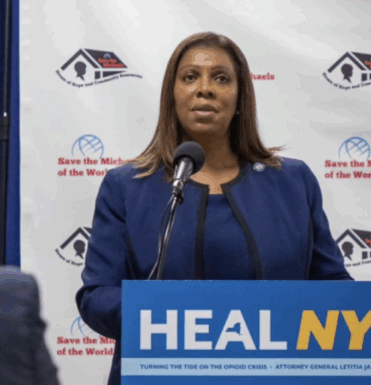
The Attorney General’s MFCU SNAFU
Attorney General Letitia James' latest fight with the Trump administration focuses on New York's Medicaid Fraud Control Unit, a federally funded agency housed in James' office.
On T Read More
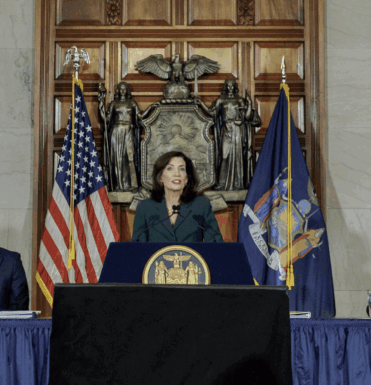
Healthcare Revelations in the Enacted Budget Financial Plan
The state financial plan published on June 10 disclosed key information about healthcare revenue and spending that lawmakers had not made public when approving the annual budget two weeks before.
Read More
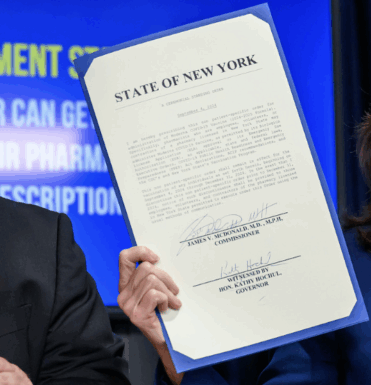
Federal Suit Traces Medicaid Fraud to the Top of NYS Government
The Trump administration's latest salvo against Medicaid fraud takes aim at a different kind of target – two high-ranking New York officials along with a major state contractor.
A Read More

It Is Time to Rethink the Regional Greenhouse Gas Initiative
Before budget negotiations, Gov. Hochul warned that unless New York changes its climate plans, New Yorkers could face a $2.26-per-gallon increase in gasoline prices. The reason is the so-called “cap-and-invest” scheme, under which energy companies wou Read More