

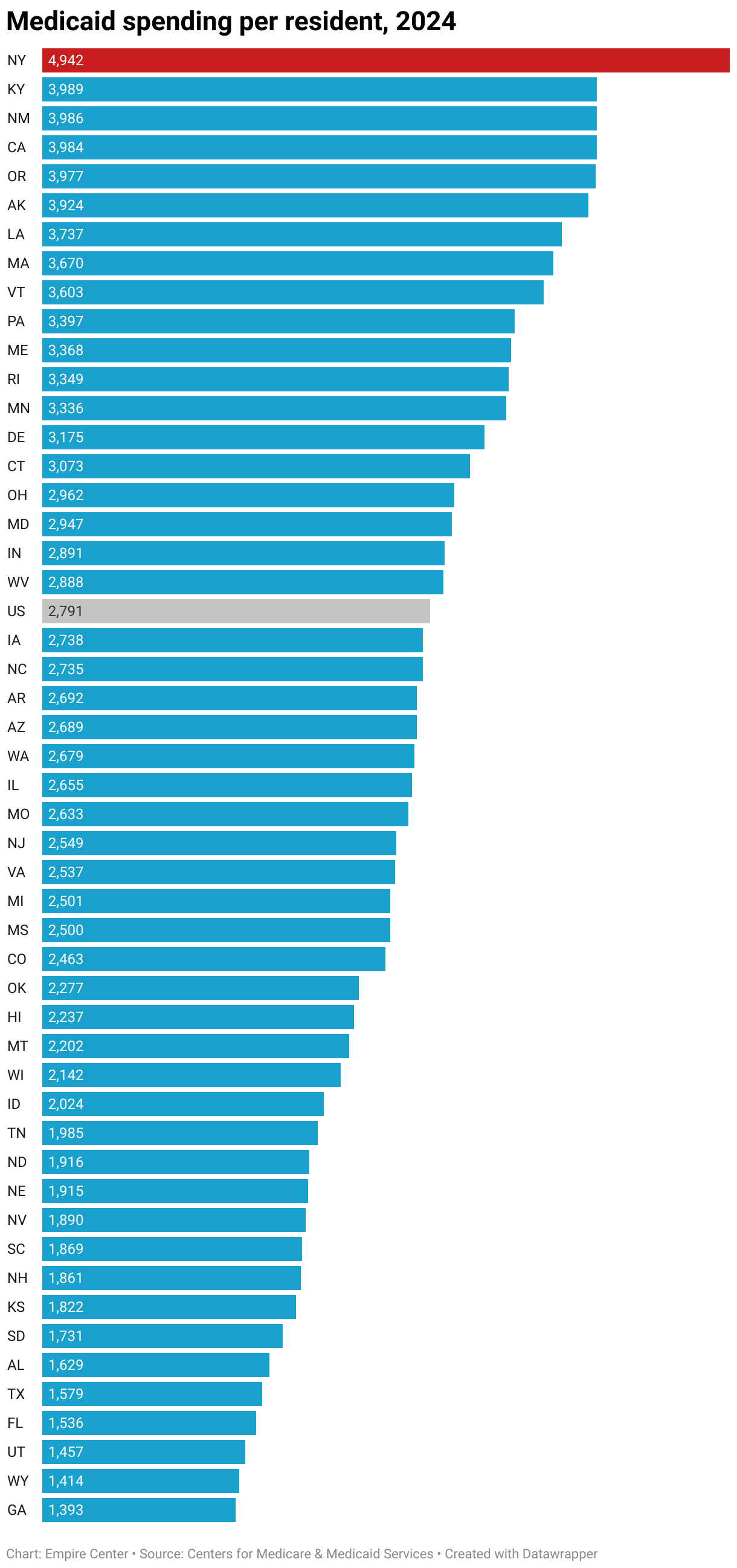
New York’s Medicaid program remained a spending outlier in 2024, with per-resident outlays that were 24 percent higher than those of any other state and 77 percent above the national average, according to a federal report released on Thursday.
The report provides timely context for the current discussion about how state leaders should respond to looming cutbacks in federal health funding. Its data suggest that New York has the capacity to absorb billions of dollars in reduced federal aid while continuing to operate a generous and well-funded Medicaid program by national standards.
Medicaid is a safety-net health plan for the low-income and disabled that is jointly financed by the federal government and the states. Friday’s report from the Centers for Medicare & Medicaid Services summarizes almost $1 trillion in nationwide spending on the program for the fiscal year ending in September 2024.
Although New York represents less than 6 percent of the U.S. population, its $98 billion Medicaid budget accounted for more than 10 percent of national spending on the program.
New York’s Medicaid spending per resident, at $4,942, was by far the highest among the 50 states. The second-highest state was Kentucky at $3,989 per resident, and the national average was $2,791 per resident.
New York’s No. 1 status reflects a combination of factors, including above-average enrollment (currently 35 percent of the population, including 47 percent of New York City residents), a broad array of covered benefits and relatively high payments to providers.
New York also operates the Essential Plan, an optional benefit under the Affordable Care Act that was exercised by only two other states, Minnesota and Oregon. New York’s version is offered to people with incomes above the cut-off for Medicaid, from 138 percent to 250 percent of the poverty level, and covers 1.7 million enrollees, or 9 percent of the population.
The federal government currently foots the bill for the Essential Plan’s entire $13.7 billion budget, an amount not included in Friday’s report.
Recently enacted federal budget legislation – known as the One Big Beautiful Bill Act – would scale back federal funding for both Medicaid and the Essential Plan. State officials have estimated that the changes will ultimately displace 1.5 million New Yorkers from coverage and cost the state $13 billion in lost revenue or added expenses.
In the shorter term, the Budget Division has put the direct cost to the state health budget at $3 billion to $4 billion annually.
Significant as those amounts are, they are still smaller than the spending gaps between New York and neighboring states as documented in Thursday’s CMS report.
If, for example, New York lowered its per-resident outlays to match the No. 2 state, Kentucky, its overall Medicaid spending would be $19 billion less and the state government’s share of those savings would be about $8 billion.
If New York matched the spending rate of Massachusetts, its total Medicaid savings would be $25 billion and the state-share savings would be $11 billion.
And if New York matched the per-resident rate of New Jersey, the total savings would be $48 billion and the state-share savings would be $20 billion.
About the Author

You may also like

Hochul’s Energy Infrastructure Plan Gets the Diagnosis Right but Offers No Prescription
Editor’s note: Roger Caiazza is an adjunct fellow at the Empire Center. He has a long and deep private industry background in environmental regulatory analysis and compliance. His frequently updated personal blog on New York State environmental poli Read More
New Poll Shows New Yorkers Want Cheaper Energy — RGGI’s Price Record Shows They Aren’t Getting It
Editor's note: Roger Caiazza is an adjunct fellow at the Empire Center. He has a long and deep private industry background in environmental regulatory analysis and compliance. His frequently updated personal blog on New York Read More

New York’s Health Premiums Stayed at the Top in 2025
New Yorkers and their employers paid the highest health premiums in the lower 48 states in 2025, and their costs moved further above the U.S. average, according to recently released federal data.
Read More

NY’s Medicaid Fraud Watchdog Shows Declining Performance
Enforcement by the New York's Office of Medicaid Inspector General has dropped in recent years across a range of benchmarks – a sign that the state's anti-fraud efforts have slackened even as its Medicaid spending soared. Read More
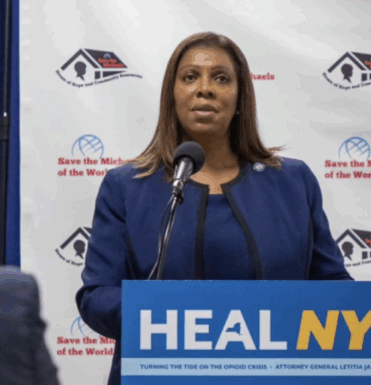
The Attorney General’s MFCU SNAFU
Attorney General Letitia James' latest fight with the Trump administration focuses on New York's Medicaid Fraud Control Unit, a federally funded agency housed in James' office.
On T Read More
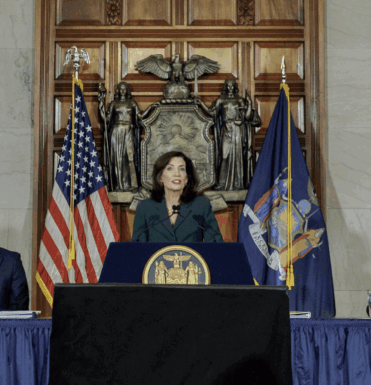
Healthcare Revelations in the Enacted Budget Financial Plan
The state financial plan published on June 10 disclosed key information about healthcare revenue and spending that lawmakers had not made public when approving the annual budget two weeks before.
Read More
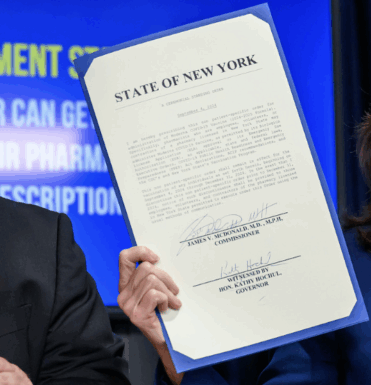
Federal Suit Traces Medicaid Fraud to the Top of NYS Government
The Trump administration's latest salvo against Medicaid fraud takes aim at a different kind of target – two high-ranking New York officials along with a major state contractor.
A Read More

It Is Time to Rethink the Regional Greenhouse Gas Initiative
Before budget negotiations, Gov. Hochul warned that unless New York changes its climate plans, New Yorkers could face a $2.26-per-gallon increase in gasoline prices. The reason is the so-called “cap-and-invest” scheme, under which energy companies wou Read More