

 Trying to rein in runaway Medicaid spending is an historic annual event in New York. Governor Cuomo’s Medicaid Redesign Team was assigned the most recent task of both reducing spending and increasing the quality of care. The adoption of their initial recommendations in the 2011 Medicaid Budget claims to save $2.2 billion, growing to $3.3 billion in 2012. A major provision includes a new cap on annual state share Medicaid spending tied to average medical cost inflation of 4 percent.
Although the team’s final report was due Dec. 31, nothing had surfaced online or had been announced by the Cuomo administration as of mid-day today. Meanwhile, through October (seven months into the fiscal year), the Department of Health (DOH) reports steady progress in meeting savings targets, including staying below the new spending cap. But, it’s still not entirely clear whether savings will be fully achieved and if the Medicaid program will be better in the long run for both patients and taxpayers.
Loose ends (with page citations and links from the Redesign team’s work group reports and updates) include the following:
- A hefty chunk of the savings — some $640 million in an industry-led contribution– was left unspecified in the budget adopted last March. Health industry representatives were to suggest ways to meet the target. If not, the governor would use broad new powers to achieve the savings unilaterally. The $640 million is meant to climb next year to $1.5 billion. But, what is included in the package and where it stands remains unclear.
- Accounts receivable to the state from providers are expected to reach $600 million, (page 6) and must be recovered to stay under the cap.
- The cap only applies to state Medicaid spending under the Department of Health. The rest of the Medicaid Budget is spent by other agencies providing direct care, In the October 2011 tracking update by DOH (page 5), those costs were exceeding projections by $127 million.
- Audit recoveries of overpayments (including fraudulent ones) within the Office of the Medicaid Inspector General are running $43 million below projections.
- How the cap on state spending is being managed is murky. Are payments to providers simply being slowed and one-time tucked away funds being used to close any gaps, punting enduring savings down the road?
- Medicaid enrollment continues to climb and threaten savings (page 7). The state apparently assumes a good portion of increased enrollment costs will be covered retroactively by the feds in 2014. But the new federal law is facing a constitutional challenge in the Supreme Court. If it survives that, its fate could still depend on 2012 federal election outcomes.
The bigger risk for the future lies in repeating the past: chasing federal funding through various waivers. Promises of potential enriched federal funding are like catnip to New York. New York has always been chief among states in hoping the feds will continue to bail the troubled Medicaid boat. But it is riskier than ever to believe that D.C. is going to make solving New York’s Medicaid woes a priority in these most austere of all fiscal times, when inertia rules the federal legislative process.
The redesign effort has identified some better care approaches and cost controls. Many other initiatives are still “in progress” as the fiscal year draws to a close in three months. Significant hope for future savings is being placed in managed care for populations that eat up the major share of Medicaid costs (long term care recipients, chronic users and dual eligibles). But consumer behavior is ingrained – how will chronic users be incentivized or required to seek care outside of expensive settings. And, the numbers needing long term care and the associated costs keep growing.
The Governor must soon decide which suggestions from a final team report he will advance. A number of new spending recommendations meant to yield future Medicaid savings are included. Among them are expanded service coverage (pages 13,19,23 and 30) and additional but unquantified supportive housing spending (pages 17-54). A hard, realistic look at such ideas is in order, with a structural state deficit still looming.
Few could argue with the Governor’s goal to reel in the nation’s most expensive Medicaid program. But other than modest state savings this year, Medicaid will continue to grow. And, Medicaid along with education spending and pension costs will continue to plague state and particularly county budgets, creating more pressure for additional tax increases and crowding out other important spending. The Governor should redouble efforts to tame spending and improve care, but New Yorkers should remain wary amidst the glowing reviews of success.
You may also like

NY’s Medicaid Fraud Watchdog Shows Declining Performance
Enforcement by the New York's Office of Medicaid Inspector General has dropped in recent years across a range of benchmarks – a sign that the state's anti-fraud efforts have slackened even as its Medicaid spending soared. Read More
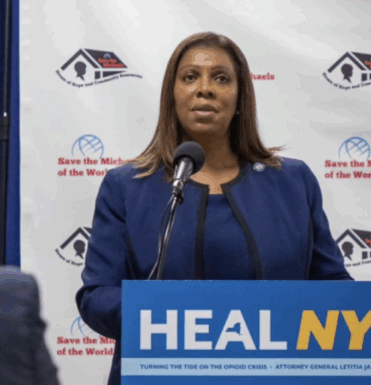
The Attorney General’s MFCU SNAFU
Attorney General Letitia James' latest fight with the Trump administration focuses on New York's Medicaid Fraud Control Unit, a federally funded agency housed in James' office.
On T Read More
Healthcare Revelations in the Enacted Budget Financial Plan
The state financial plan published on June 10 disclosed key information about healthcare revenue and spending that lawmakers had not made public when approving the annual budget two weeks before.
Read More
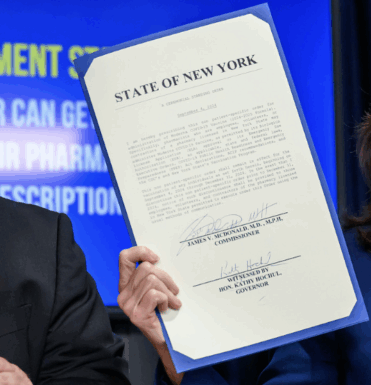
Federal Suit Traces Medicaid Fraud to the Top of NYS Government
The Trump administration's latest salvo against Medicaid fraud takes aim at a different kind of target – two high-ranking New York officials along with a major state contractor.
A Read More

Healthcare Highlights in the New State Budget
Governor Hochul's focus on affordability seems to have skipped over the healthcare portions of the new state budget.
The deal finalized May 27 Read More

Albany Wavers on Shutting Down a Medicaid Racket
As Washington threatens to crack down on fraud and abuse in New York's Medicaid program, state legislators are doing their best to demonstrate why federal intervention is needed.
A Read More

Ideas for Cleaning Up New York Medicaid
As the Trump administration cracks down on fraud, waste and abuse in Medicaid, New York is a logical place to start.
New York spends far more Read More
Emails Conflict with Health Commissioner’s Testimony on CDPAP
The company selected to manage an $11 billion Medicaid home-care program discussed the job in detail with top Health Department officials – and submitted a 46-page takeover plan – two weeks before state lawmakers author Read More