

Nearly 100 people turned out for a Sept. 26 Empire Center forum, featuring some of the nation’s top health experts who spoke on issues ranging from curbing health-care expenses and Medicaid reform to improving services and making private insurance more affordable.
The forum aimed to assess what New York — home of the most expensive Medicaid program in the nation — may learn from other states about reining in costs and making the delivery of health services more efficient and accessible.
David Gratzer, a physician and a senior fellow at the Manhattan Institute, delivered the keynote address. Author of the forthcoming book, The Cure: How Capitalism Can Save American Health Care, Gratzer maintained it was possible to improve the quality of health care and insure more people without raising costs and expanding government. Gratzer not only called for revamping government programs such as Medicaid and Medicare, he argued that greater choice and competition would provide working families more control over the health care they receive.
Gayle Harrell — a member of the Florida House of Representatives and chair of its Health Care General Committee — also spoke at the forum. Harrell said when it comes to Medicaid reform, it’s essential to focus on patient education — making recipients understand, for instance, that it’s more cost efficient to see a family doctor for minor ailments such as a sore throat than going to an emergency room. Harrell said a key part of Florida’s reform was an initiative allowing employed recipients to opt-out of the public health-care program and direct their Medicaid-premium to an employer-sponsored plan.
Panelist Amy Lischkow — director of Health Care, Finance, and Policy for Massachusetts — discussed the Bay State’s policy mandating that all residents buy health coverage or pay a tax. Lischkow said key to the plan — passed to curb the Bay State’s highest per-capita health-care spending in the nation — was its focus on insurance-market reform, which has resulted in better values for consumers.
More information on the Empire Center forum can be found here.
About the Author

You may also like
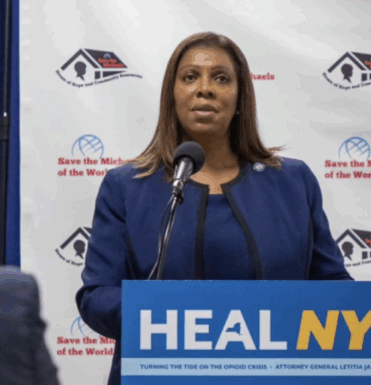
The Attorney General’s MFCU SNAFU
Attorney General Letitia James' latest fight with the Trump administration focuses on New York's Medicaid Fraud Control Unit, a federally funded agency housed in James' office.
On T Read More
Healthcare Revelations in the Enacted Budget Financial Plan
The state financial plan published on June 10 disclosed key information about healthcare revenue and spending that lawmakers had not made public when approving the annual budget two weeks before.
Read More
Federal Suit Traces Medicaid Fraud to the Top of NYS Government
The Trump administration's latest salvo against Medicaid fraud takes aim at a different kind of target – two high-ranking New York officials along with a major state contractor.
A Read More

Healthcare Highlights in the New State Budget
Governor Hochul's focus on affordability seems to have skipped over the healthcare portions of the new state budget.
The deal finalized May 27 Read More

Lawmakers Consider Hiking Fees for Filling Prescriptions
UPDATE: The proposal discussed below passed the Assembly Friday evening by an unofficial vote of 133-0. Having previously been approved by the Senate, the bill will head to Governor Hochul's desk for her signature or ve Read More
Budget Deal Reportedly Earmarks $100M for 1199 and Extends MCO Tax
As Governor Hochul and legislative leaders rush to finalize the overdue state budget, outlines of some healthcare-related deals have begun to emerge from the closed-door negotiations.
Read More

Albany Wavers on Shutting Down a Medicaid Racket
As Washington threatens to crack down on fraud and abuse in New York's Medicaid program, state legislators are doing their best to demonstrate why federal intervention is needed.
A Read More

Getting to the Bottom of the 340B Drug Discount Boondoggle
Some of New York's largest and most prosperous hospitals are reporting rapidly growing amounts of revenue from pharmacy sales – most of it apparently flowing from a controversial drug discount program known as 340B. Read More