

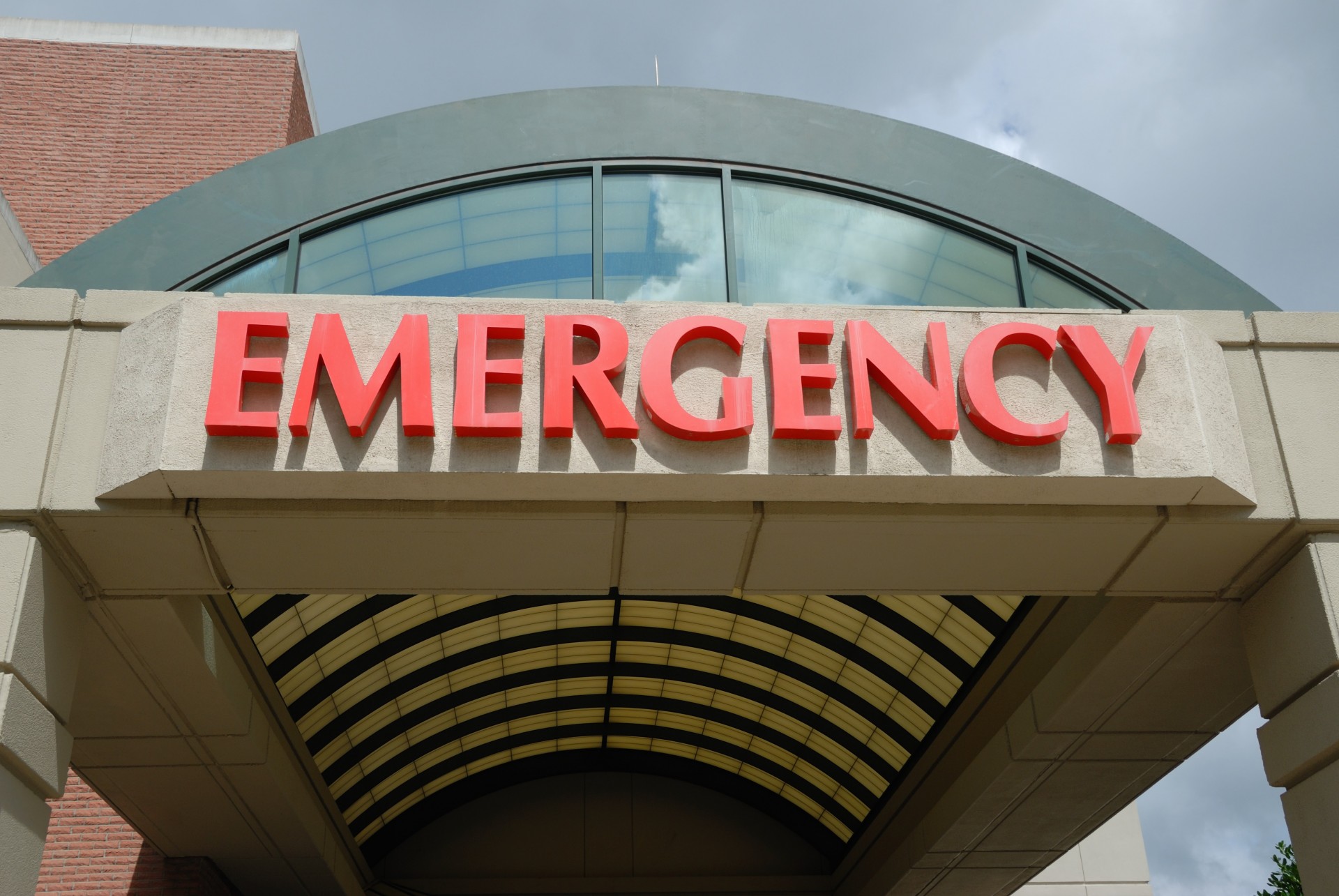
 A new report card from the Leapfrog Group, a healthcare watchdog, paints an unflattering picture of safety in New York’s hospitals.
Only 14 of its 139 rated hospitals, or 10 percent, received an “A,” ranking New York 43rd among the 50 states and the District of Columbia.
Twenty hospitals scored “B,” 80 scored “C,” 23 scored “D,” and there were two “Fs” – for the state-operated SUNY Downstate Medical Center in Brooklyn, and for the city-owned Flushing Hospital Medical Center in Queens.
The statewide average, which was just above “C,” was virtually unchanged from last spring’s report, with 30 hospitals receiving higher grades, and 29 scoring lower.
Leapfrog is a coalition of major employers and other healthcare payers focused on reducing medical mistakes, which are estimated to kill hundreds of thousands of patients each year, making them a leading cause of death in the United States.
The grades in the group’s semiannual reports on hospital safety are based on 30 measures, including the rates of preventable infections, bedsores, and surgery errors, surveys of patients, and analysis of procedures and policies.
The Healthcare Association of New York State, which represents hospitals statewide, has faulted Leapfrog’s grading system for relying on measures that are not widely accepted as medically valid, and for using some survey results that are not evidence-based or risk-adjusted. In HANYS’ 2013 report card on hospital report cards, Leapfrog received the lowest score of one star.
In a statement, HANYS spokesman Darren Dopp said some of Leapfrog’s measures “skew toward positive self-report and bear little association with required Medicare outcome measures and associated payment penalties.”
“Use of valid, reliable, and evidence-based measures that are aligned with national efforts will enable patients and families to make better decisions about their care,” Dopp said.
In a federal report card on overall quality, released last summer, New York’s hospitals collectively rated 50th.
About the Author

You may also like
New York’s Nursing Home Tragedy: Why the Truth Still Matters
The following guest contribution was written by Brad Wenstrup, a former U.S. Congressman, doctor of podiatric medicine, combat surgeon, and chairman of the House Select Subcommittee on the Coronavirus Pandemic during the 118th Congress.
Senate Read More

New York’s Health Premiums Stayed at the Top in 2025
New Yorkers and their employers paid the highest health premiums in the lower 48 states in 2025, and their costs moved further above the U.S. average, according to recently released federal data.
Read More

NY’s Medicaid Fraud Watchdog Shows Declining Performance
Enforcement by the New York's Office of Medicaid Inspector General has dropped in recent years across a range of benchmarks – a sign that the state's anti-fraud efforts have slackened even as its Medicaid spending soared. Read More
The Attorney General’s MFCU SNAFU
Attorney General Letitia James' latest fight with the Trump administration focuses on New York's Medicaid Fraud Control Unit, a federally funded agency housed in James' office.
On T Read More
Healthcare Revelations in the Enacted Budget Financial Plan
The state financial plan published on June 10 disclosed key information about healthcare revenue and spending that lawmakers had not made public when approving the annual budget two weeks before.
Read More
Federal Suit Traces Medicaid Fraud to the Top of NYS Government
The Trump administration's latest salvo against Medicaid fraud takes aim at a different kind of target – two high-ranking New York officials along with a major state contractor.
A Read More

Healthcare Highlights in the New State Budget
Governor Hochul's focus on affordability seems to have skipped over the healthcare portions of the new state budget.
The deal finalized May 27 Read More

Lawmakers Consider Hiking Fees for Filling Prescriptions
UPDATE: The proposal discussed below passed the Assembly Friday evening by an unofficial vote of 133-0. Having previously been approved by the Senate, the bill will head to Governor Hochul's desk for her signature or ve Read More