

 New York is bucking the national trend in the largest category of health insurance costs, but in exactly the wrong way.
A Commonwealth Fund study finds – contrary to widespread belief – that the growth of premiums for employer-sponsored health plans has slowed nationwide since passage of the Affordable Care Act.
Unfortunately, just the opposite has happened in the Empire State. In fact, for single-person coverage under employer plans, New York edged out Maryland for the steepest premium rise in the country.
Nationwide, the average annual premium increase for single coverage was 3.8 percent from 2010 to 2015, compared to 4.7 percent for the period from 2006 to 2010.
New York’s single-coverage premiums, by contrast, grew at a 5.4 percent rate in the five years after Obamacare, and a 3.2 percent rate in the five years before. It was one of only 17 states in which post-ACA price growth was higher than pre-ACA growth.
The study also confirmed New York’s ranking as the second-costliest state for employer-provided insurance overall–a dubious distinction examined in detail here.
The study focused on employer-provided coverage, which is the most common type of health insurance and covers roughly half of the U.S. population. Its figures did not reflect trends in the individual or “direct pay” market, covering about 6 percent of the population, aimed at people who don’t get coverage through work and don’t qualify for Medicare or Medicaid. This group was most directly affected by President Obama’s health reform law and is facing dramatic premium spikes for 2017.
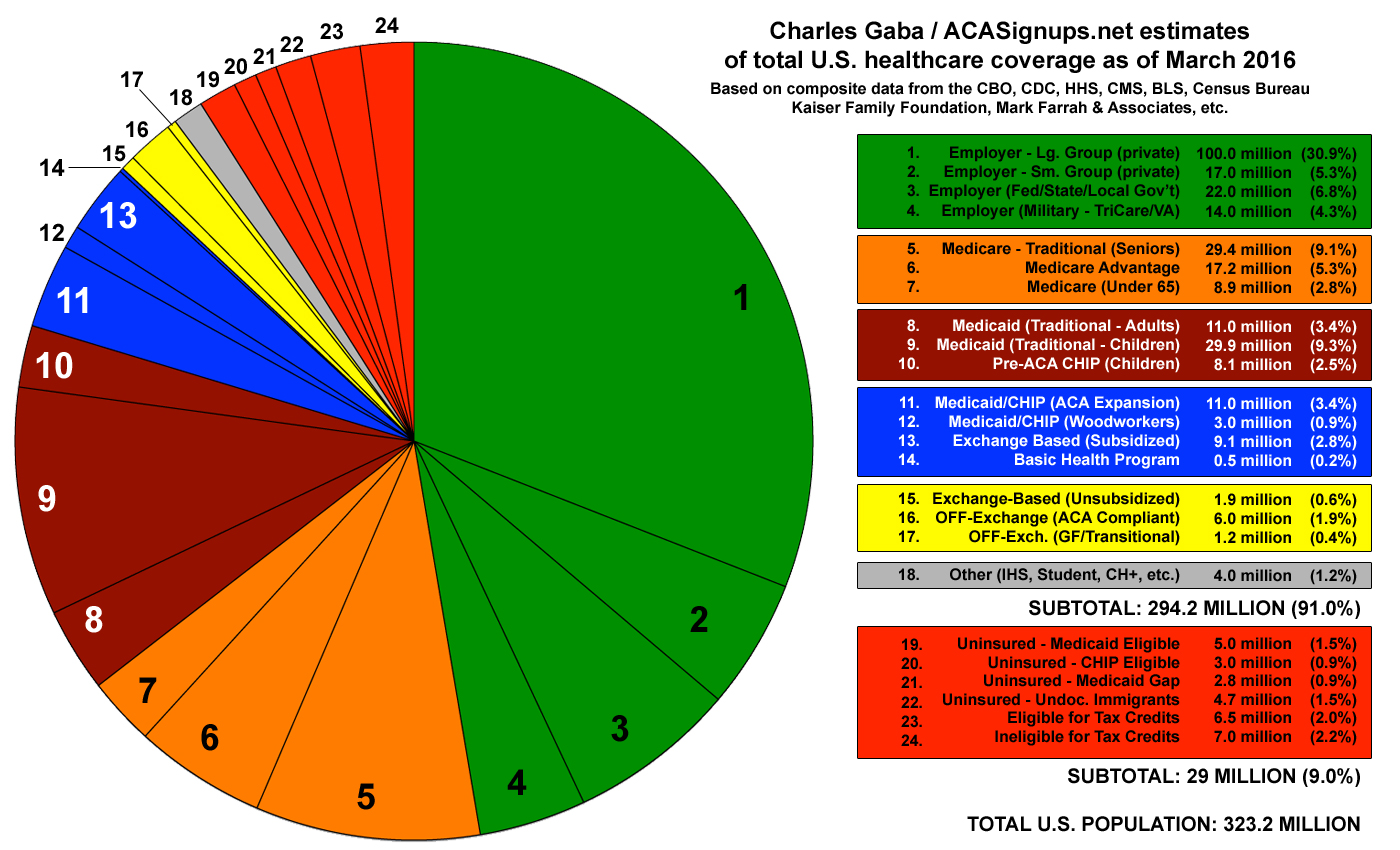
For plans offered through the federally run ACA exchange, healthcare.gov, the average increase for the year ahead is 22 percent. In New York, which has its own exchange, the average increase is 16.6 percent.
New York’s outlier status in the employer-provided insurance market suggests that problems in the state’s market owe more to Albany than Washington. Among other things, the state imposes heavy taxes and coverage mandates that unnecessarily drive up the cost of coverage.
The state also regulates premiums under a “prior approval” law passed in 2010, the same year as the ACA. But those price controls do not apply to the plans offered by most large employers, and have failed to close the affordability gap for small-employer benefits.
About the Author

You may also like

New York’s Health Premiums Stayed at the Top in 2025
New Yorkers and their employers paid the highest health premiums in the lower 48 states in 2025, and their costs moved further above the U.S. average, according to recently released federal data.
Read More

NY’s Medicaid Fraud Watchdog Shows Declining Performance
Enforcement by the New York's Office of Medicaid Inspector General has dropped in recent years across a range of benchmarks – a sign that the state's anti-fraud efforts have slackened even as its Medicaid spending soared. Read More
The Attorney General’s MFCU SNAFU
Attorney General Letitia James' latest fight with the Trump administration focuses on New York's Medicaid Fraud Control Unit, a federally funded agency housed in James' office.
On T Read More
Healthcare Revelations in the Enacted Budget Financial Plan
The state financial plan published on June 10 disclosed key information about healthcare revenue and spending that lawmakers had not made public when approving the annual budget two weeks before.
Read More
Federal Suit Traces Medicaid Fraud to the Top of NYS Government
The Trump administration's latest salvo against Medicaid fraud takes aim at a different kind of target – two high-ranking New York officials along with a major state contractor.
A Read More

Healthcare Highlights in the New State Budget
Governor Hochul's focus on affordability seems to have skipped over the healthcare portions of the new state budget.
The deal finalized May 27 Read More

Lawmakers Consider Hiking Fees for Filling Prescriptions
UPDATE: The proposal discussed below passed the Assembly Friday evening by an unofficial vote of 133-0. Having previously been approved by the Senate, the bill will head to Governor Hochul's desk for her signature or ve Read More
Budget Deal Reportedly Earmarks $100M for 1199 and Extends MCO Tax
As Governor Hochul and legislative leaders rush to finalize the overdue state budget, outlines of some healthcare-related deals have begun to emerge from the closed-door negotiations.
Read More