

 As Albany lawmakers consider imposing costly new taxes and mandates on health insurance, a report from the New York State Health Foundation offers a timely reminder: The state’s premiums are already among the highest in the country, and rising fast.
The foundation’s “data snapshot” analyzes cost trends in the state’s employer-provided insurance market, which is where 56 percent of New Yorkers get their coverage. Among its key points:
- The state’s average family premium in 2016 was the third highest in the country at $19,375. Its average single premium was fifth highest at $6,614.
- From 2008 through 2016, premiums for employer-sponsored plans increased at more than double the rate of the median household income.
- New York’s deductibles, which had been relatively low, leapfrogged the national average in 2016, when the average jumped 36 percent (from $1,317 to $1,789) in a single year
These findings dovetail with a December 2017 report by the United Hospital Fund, which documented a 35 percent drop in New York’s small-group enrollment, from 1.7 million to 1.1 million, over the past decade. This trend, it warned, was “likely exacerbated by rising premiums.” It also makes the goal of universal coverage that much harder to reach.
Rather than trying to solve these problems, Governor Cuomo and the Legislature are debating steps that could only make them worse.
Cuomo is proposing two additional taxes on health care—a 14 percent surcharge on the underwriting gains of for-profit insurance companies, and a 2 cents-per-milligram tax on prescription opioids. Directly or indirectly, both would inevitably push insurance rates higher.
The governor further aims to seize billions in proceeds from the planned takeover of the non-profit Fidelis Cares health plan by the for-profit insurance company Centene. He would put part of the money into a health care “shortfall fund” to be used in case of future revenue losses—a tacit acknowledgement that the state does not need the funds as of now.
All of these measures would be piled on top of $4 billion-plus in health insurance taxes imposed through the Health Care Reform Act—which are the state’s third largest source of revenue.
This push for additional health taxes is predicated on the idea that New York’s health funding is under attack in Washington. But none of the threatened cuts has actually become law, and Congress’ most recent votes have restored or continued billions in aid that otherwise would have lapsed.
As a result, New York’s already generous level of federal health aid is rising, not falling. The state’s Essential Plan, which covers low-income New Yorkers, is projected to run a hefty surplus, which Cuomo is using to plug holes elsewhere in his budget.
Another premium-boosting provision in the governor’s budget calls for the state Department of Financial Services to study whether insurers should be required to pay for in vitro fertilization. That would be a particularly expensive addition to Albany’s long list of coverage mandates.
While Republican leaders in Congress are still contemplating cuts to Medicaid and other programs, that crisis remains theoretical for the time being.
The affordability crisis is quite real, as the Health Foundation’s analysis confirms. Legislators should keep that in mind as they rush to their budget deadline.
About the Author

You may also like

New York’s Health Premiums Stayed at the Top in 2025
New Yorkers and their employers paid the highest health premiums in the lower 48 states in 2025, and their costs moved further above the U.S. average, according to recently released federal data.
Read More

NY’s Medicaid Fraud Watchdog Shows Declining Performance
Enforcement by the New York's Office of Medicaid Inspector General has dropped in recent years across a range of benchmarks – a sign that the state's anti-fraud efforts have slackened even as its Medicaid spending soared. Read More
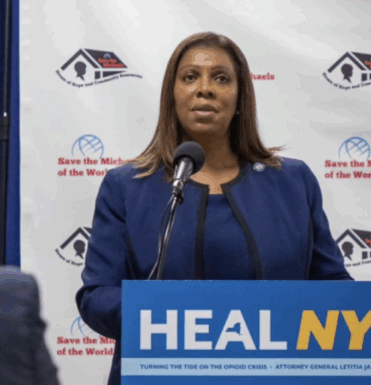
The Attorney General’s MFCU SNAFU
Attorney General Letitia James' latest fight with the Trump administration focuses on New York's Medicaid Fraud Control Unit, a federally funded agency housed in James' office.
On T Read More
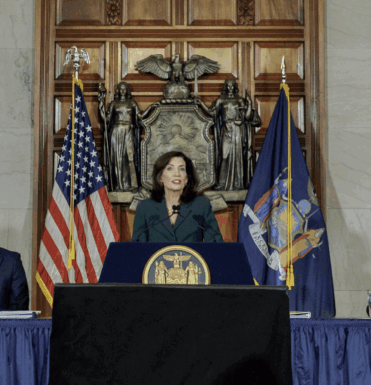
Healthcare Revelations in the Enacted Budget Financial Plan
The state financial plan published on June 10 disclosed key information about healthcare revenue and spending that lawmakers had not made public when approving the annual budget two weeks before.
Read More
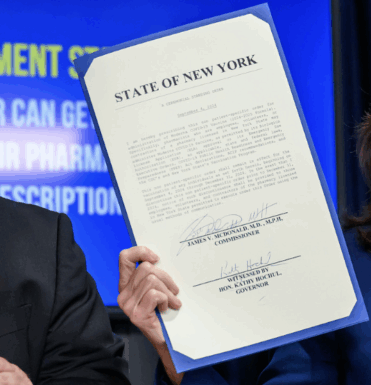
Federal Suit Traces Medicaid Fraud to the Top of NYS Government
The Trump administration's latest salvo against Medicaid fraud takes aim at a different kind of target – two high-ranking New York officials along with a major state contractor.
A Read More

Healthcare Highlights in the New State Budget
Governor Hochul's focus on affordability seems to have skipped over the healthcare portions of the new state budget.
The deal finalized May 27 Read More

Lawmakers Consider Hiking Fees for Filling Prescriptions
UPDATE: The proposal discussed below passed the Assembly Friday evening by an unofficial vote of 133-0. Having previously been approved by the Senate, the bill will head to Governor Hochul's desk for her signature or ve Read More
Budget Deal Reportedly Earmarks $100M for 1199 and Extends MCO Tax
As Governor Hochul and legislative leaders rush to finalize the overdue state budget, outlines of some healthcare-related deals have begun to emerge from the closed-door negotiations.
Read More