

The new state budget finally takes credible steps to address the Medicaid crisis of recent history. What’s missing is a clear plan for weathering the far larger crisis of the present and future.
Governor Cuomo appointed his Medicaid Redesign Team in February, before the coronavirus pandemic was swamping hospitals and paralyzing the economy.
The panel’s mostly solid recommendations focused on long-standing issues driven by internal policy choices, such as extraordinarily high spending on home-based long-term care and excessive or poorly managed subsidies for providers.
This is an installment in a special series of #NYCoronavirus chronicles by Empire Center analysts, focused on New York’s state and local policy response to the Coronavirus pandemic.
Now the program faces massive external pressures – including what’s likely to be soaring claims for Covid-19 care received by Medicaid recipients, a possible surge in enrollment as New Yorkers lose their employer-provided insurance and incomes, and the need to rush emergency aid to hard-pressed providers.
In spite of all that, the budget passed on Friday includes little or no specific action in response to the crisis. According to the governor’s press release, it calls for the state share of the program to increase by just 3 percent, or $500 million – an amount that would have been considered modest even in pre-pandemic times.
Crucially, though, it continues the governor’s pre-existing authority to cut Medicaid spending as necessary to stay on budget – a power he has never exercised to date, but which is more relevant than ever. He also has the option to draw on billions in borrowed money, as well as New York’s share of federal emergency funding earmarked for hospitals.
This year’s actual Medicaid spending, in other words, might end up very different than what lawmakers approved.
More important than the dollar amounts are the budget’s substantive reforms to the program, including the vast majority of what the Medicaid Redesign Team put forward in a report published only two weeks ago – some of which the Legislature had rejected in the past.
Some of the more significant changes include:
- Slowing the rapid growth of non-medical services provided to elderly and disabled recipients in their homes, known as “personal assistance.” New York’s spending on this optional benefit was an outlier when Cuomo took office, and it has doubled to more than $11 billion in just the past four years.
- Tightening enforcement of financial eligibility, to prevent people of means from hiding assets and income in order to exploit what is meant to be a safety-net health plan for the poor. For example, people applying for home care will be subject to scrutiny of two and one-half years’ worth of financial records, half the look-back period that currently applies to applicants for nursing home coverage. Currently, there is no look-back for non-institutional long-term care. (Updated to correct the length of the newly imposed look-back period.)
- Reforming the $1 billion Indigent Care Pool, which is supposed to reimburse hospitals for providing free care to the poor and uninsured. The pool currently uses a dysfunctional formula that overpays many institutions, some of them financially robust, while shortchanging safety-providers. The revised rules are meant to end the windfalls for hospitals that don’t need them.
- Taking control over the Medicaid drug benefit away from private managed-care plans and putting it under direct supervision by the state. State officials hope to negotiate better discounts with manufacturers, but this could backfire. It reverses a policy change from 2011 that led to significant savings.
- Requiring more detailed monthly reports on the trends in Medicaid spending, to make clear when and where the state needs to take action to keep the program in balance. The effectiveness of this will depend on how diligently the Cuomo administration fulfills this duty – and whether the Legislature insists on the compliance. The Health Department largely stopped producing previously mandated monthly reports in late 2018, allowing a brewing deficit to go unnoticed by lawmakers and the public.
Also important is what did not happen: The idea of hiking the state’s already heavy taxes on health insurance – which Cuomo floated earlier in the year – was ultimately left out of the final deal. This spares consumers and their employers from additional upward pressure on their premium costs.
Cuomo’s proposal to give New York City and counties “skin in the game” – by making them absorb a share of Medicaid expenses – was rejected. In its place, the local governments must put $200 million per year of their sales tax revenue into a fund for distressed hospitals, a move that will add to their fiscal crunch.
The Medicaid budgeting process was disrupted by conditions attached to extra federal Medicaid funding provided to states in one of Washington’s coronavirus response packages. Cuomo said the rules would block many MRT proposals, and threatened to turn down aid worth more than $1 billion per quarter. To resolve the impasse, the budget goes forward with the MRT reforms, but allows Cuomo’s budget director to delay their implementation as necessary to collect federal aid.
The result leaves Cuomo and the Health Department with at least some additional tools to manage Medicaid spending more effectively over the long term. Given the current crisis, however, it seems possible, if not likely, that the potential savings will be overwhelmed by the costs of responding to a pandemic that is hitting New York especially hard.
About the Author

You may also like

New York’s Health Premiums Stayed at the Top in 2025
New Yorkers and their employers paid the highest health premiums in the lower 48 states in 2025, and their costs moved further above the U.S. average, according to recently released federal data.
Read More

NY’s Medicaid Fraud Watchdog Shows Declining Performance
Enforcement by the New York's Office of Medicaid Inspector General has dropped in recent years across a range of benchmarks – a sign that the state's anti-fraud efforts have slackened even as its Medicaid spending soared. Read More
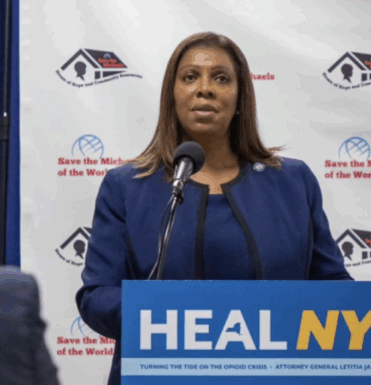
The Attorney General’s MFCU SNAFU
Attorney General Letitia James' latest fight with the Trump administration focuses on New York's Medicaid Fraud Control Unit, a federally funded agency housed in James' office.
On T Read More
Healthcare Revelations in the Enacted Budget Financial Plan
The state financial plan published on June 10 disclosed key information about healthcare revenue and spending that lawmakers had not made public when approving the annual budget two weeks before.
Read More
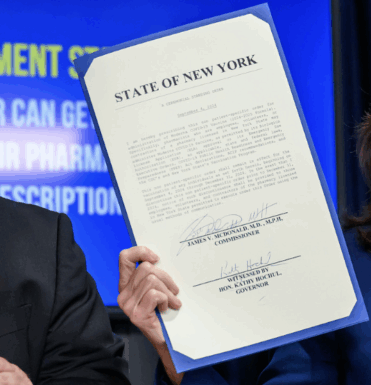
Federal Suit Traces Medicaid Fraud to the Top of NYS Government
The Trump administration's latest salvo against Medicaid fraud takes aim at a different kind of target – two high-ranking New York officials along with a major state contractor.
A Read More

Healthcare Highlights in the New State Budget
Governor Hochul's focus on affordability seems to have skipped over the healthcare portions of the new state budget.
The deal finalized May 27 Read More

Lawmakers Consider Hiking Fees for Filling Prescriptions
UPDATE: The proposal discussed below passed the Assembly Friday evening by an unofficial vote of 133-0. Having previously been approved by the Senate, the bill will head to Governor Hochul's desk for her signature or ve Read More
Budget Deal Reportedly Earmarks $100M for 1199 and Extends MCO Tax
As Governor Hochul and legislative leaders rush to finalize the overdue state budget, outlines of some healthcare-related deals have begun to emerge from the closed-door negotiations.
Read More